
Summer BBQ Food Safety Reminder: Simple Tips Before You Serve the Plate

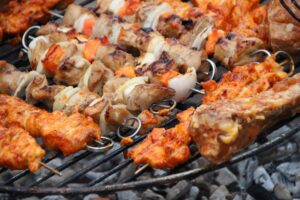 Summer BBQ season has a very special kind of energy.
The grill is going. Someone is asking if the burgers are ready. Someone else is guarding the potato salad like it is a national treasure. The drinks cooler is being opened every twelve seconds. And somewhere nearby, one lonely plate that touched raw meat is trying to sneak back into the party.
Absolutely not, plate. We saw you.
A summer BBQ can be fun, relaxed, and delicious, but warm weather and outdoor cooking can also make food safety easier to forget. The good news is that food safety does not have to ruin the mood. You do not need to stand beside the grill with a clipboard and whistle. A few simple habits can help reduce the risk of foodborne illness and keep the day enjoyable.
Why BBQ food safety matters more in summer
Warm weather can make food safety trickier because harmful bacteria can grow faster in warm, moist conditions. BBQs also come with extra challenges: food sits outside longer, coolers get opened often, raw meat may be handled near ready-to-eat foods, and people are usually focused on relaxing rather than checking temperatures.
That is understandable. Nobody goes to a BBQ hoping to discuss bacteria between the burgers and the buns. Warm weather can also affect how some medicines are stored, so this medicine storage reminder is useful during summer too.
Still, a little prevention matters. The goal is simple: keep cold foods cold, hot foods hot, raw foods separate, and cooked foods properly handled.
Keep cold foods cold
Cold foods should stay cold until they are ready to be cooked or served. This includes raw meat, poultry, seafood, prepared salads, dips, dairy-based foods, cut fruit, and other perishable items.
A cooler can help, but only if it is packed and used properly. Keep the cooler out of direct sunlight, use enough ice packs, and avoid opening it constantly. If possible, use one cooler for drinks and another for food. The drinks cooler usually gets opened the most because everyone suddenly becomes very thirsty when there is ice nearby.
Keeping food in a separate cooler helps it stay colder for longer. If you are heading out for the day and also carrying medication, this travel medication reminder may also help.
Raw meat, poultry, and seafood should be well sealed so juices do not leak onto other foods. Place them at the bottom of the cooler to reduce the chance of dripping onto ready-to-eat items like fruit, lettuce, buns, or desserts.
Keep raw and cooked foods separate
Cross-contamination is one of the easiest BBQ mistakes to make.
If a plate, fork, cutting board, or tong touched raw meat, poultry, or seafood, do not use it again for cooked food unless it has been washed properly. Cooked food needs a clean plate. This is not the time for “it looks fine.” Raw juices can spread bacteria to foods that are already cooked and ready to eat.
A simple BBQ setup can help:
Use one plate for raw foods.
Use a separate clean plate for cooked foods.
Use separate utensils for raw and cooked items.
Wash hands after handling raw meat.
Keep ready-to-eat foods away from raw meat juices.
This small habit can prevent a big problem.
 Use a food thermometer
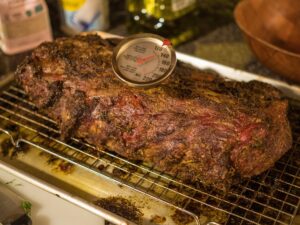
BBQ food can be sneaky. Meat may look brown on the outside before it is safely cooked inside. Colour alone is not a reliable way to know whether meat is safe to eat.
That is where a food thermometer helps.
For hamburgers and ground meat, insert the thermometer through the side of the patty into the thickest part. For other meats, check the thickest area. If you are cooking several pieces, check more than one because food can cook unevenly on the grill.
General safe internal cooking temperatures include:
Ground beef, burgers, meatballs, and sausages: 71°C / 160°F
Chicken pieces, ground poultry, stuffing, and leftovers: 74°C / 165°F
Whole poultry: 82°C / 180°F
Fish: 70°C / 158°F
A thermometer is not being dramatic. It is doing the job your eyes cannot always do.
Watch the leftovers
Leftovers are where many BBQs start to get risky.
Cooked food should not sit outside for hours while everyone talks, relaxes, and says, “I might have one more piece later.” On hot summer days, food should be handled even more carefully. Use shallow containers so leftovers cool quickly, and refrigerate them promptly.
If cooked food has been sitting out too long, it may not smell bad or look spoiled. That is the tricky part. You cannot always tell whether food is safe by sight, smell, or taste.
When in doubt, throw it out.
Yes, it hurts to say goodbye to a good burger. But it is still better than turning Sunday into a digestive drama series.
Do not forget the salads, dips, and fruit
BBQ food safety is not only about meat.
Potato salad, pasta salad, creamy dips, cut fruit, deli meats, cheeses, and desserts with dairy can also become risky if they sit out too long. Keep cold dishes in the cooler or place serving bowls over ice if they will be outside.
Use smaller serving dishes when possible. Keep the rest cold, then refill as needed. This helps the food stay safer and also makes the table look fresher.
Fruit and vegetables should be washed before serving, even if they look clean. If you are cutting melon or preparing fruit trays, keep them chilled until serving.
Clean hands still matter outdoors
Outdoor meals can make handwashing less convenient, especially at parks, beaches, campsites, and backyard gatherings where people are moving around.
Plan ahead. Have soap, clean water, paper towels, hand wipes, or sanitizer available. Wash hands before preparing food, after handling raw meat, after using the washroom, after touching pets, and before eating.
BBQ rule: if your hands handled raw chicken, they should not immediately become bun hands.
A simple BBQ safety checklist
Before serving food, ask
Did raw meat stay separate from ready-to-eat foods?
Did cooked food go onto a clean plate?
Did we use a thermometer instead of guessing?
Are cold foods still cold?
Are hot foods being served hot?
Are leftovers going into shallow containers quickly?
Has anything been sitting out too long?
This checklist is not about being nervous. It is about making summer food safer with simple habits.
Final reminder
A summer BBQ should be remembered for good food, good company, and maybe one uncle giving very confident grill advice.
It should not be remembered because the potato salad had a villain arc.
Keep cold foods cold. Keep raw and cooked foods separate. Use a food thermometer. Store leftovers quickly. And when something has been sitting out too long, do not taste-test your way into regret.
Small safety habits can help keep the BBQ fun, relaxed, and much less dramatic.
For more simple health reminders, visit the NatalieRx blog.
Disclaimer
This post is for general education only and is not medical advice. It is not a substitute for guidance from a healthcare professional, public health authority, or food safety professional. If you think you may have food poisoning, have severe symptoms, or are concerned about someone at higher risk, contact a healthcare professional or your local public health unit.