
Bathroom Cabinet Meds Storage Mistake: Why Your Medicine May Need a New Home

Many of us grew up hearing the phrase “medicine cabinet,” so it makes sense that the bathroom feels like the natural place to store medication. It is convenient, easy to remember, and usually close to the sink. But here is the little home-health twist: the bathroom may not be the best place for many medicines.
The issue is not that every medicine instantly becomes unsafe the moment it enters a bathroom. The real concern is that bathrooms often have changing temperature, moisture, steam, and humidity. Over time, those conditions may affect how some medicines hold up. MedlinePlus explains that heat, air, light, and moisture may damage medicines, and recommends storing medicines in a cool, dry place unless the label gives different instructions.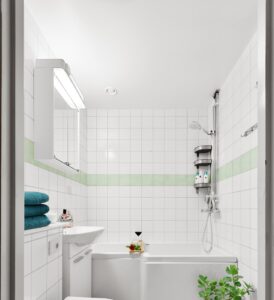
Think about what happens in a bathroom during the day. Someone takes a hot shower. Steam builds up. The room warms up, then cools down again. The cabinet may be close to a sink, shower, or bathtub. That is a lot of “spa day” energy for products that may need a more stable environment. Your moisturizer may enjoy the bathroom life. Your medicine? Maybe not so much.
For many medications, the safest first step is simple: read the storage instructions on the label or package. Some products say to store at room temperature. Some say to protect from light. Some say to protect from moisture. Some need refrigeration, but many do not. Health Canada’s guidance for drug products emphasizes that medicines should be stored according to their labelled storage conditions.
A better storage spot for many household medicines may be a cool, dry area away from direct sunlight. This could be a bedroom drawer, a hallway cabinet, or another safe area that is not exposed to bathroom steam or kitchen heat. Try to avoid places near the stove, sink, window, radiator, or anywhere that gets hot, damp, or sunny.
Safety matters too. A medicine storage spot should not only be cool and dry; it should also be out of reach of children and pets. That means avoiding countertops, bedside tables, open baskets, or low drawers if there are children or animals in the home. A high shelf, locked box, or secure cabinet may be a better option depending on the household.
It is also wise to keep medicines in their original containers whenever possible. The original bottle, box, or blister package often includes important details such as the medicine name, strength, directions, expiry date, lot number, and storage instructions. Moving pills into random containers may seem tidy, but it can create confusion later. If you use a pill organizer, keep the original containers available so the medication information is still easy to check.
Another small habit that helps is doing a quick medicine storage check every so often. Look for expired products, damaged packaging, tablets that look unusual, liquids that changed color, or anything you are unsure about. Do not taste or guess. Ask your pharmacist what to do. Also, do not flush medicines or toss them loosely in the trash unless your local disposal guidance says that is appropriate. Many pharmacies have medication return or disposal options.
Medication safety does not always require big changes. For more simple health reminders, visit the NatalieRx blog.
The main message is simple: your bathroom cabinet may be called a medicine cabinet, but that does not mean it is always the best place for medicine. Most medicines prefer a stable, cool, dry place, away from heat, moisture, children, and pets. Check the label first, and when in doubt, ask your pharmacy.
Sometimes it is as simple as moving a bottle from a steamy bathroom to a safer storage spot.
You can also explore more medication safety tips on NatalieRx.
Tiny habit. Big “future you will thank you” energy.
Disclaimer: This article is for general education only and is not a substitute for medical advice. Always follow the instructions on your medication label and ask your pharmacist or healthcare provider if you are unsure how to store a specific medication.