
Foot Care for Long Standing or Walking Days

Some days your feet do not just feel tired. They feel like they worked a double shift and would like to speak to human resources.
If you stand or walk for long periods, foot comfort matters. The Canadian Centre for Occupational Health and Safety notes that regular standing work can contribute to sore feet, leg swelling, muscle fatigue, low back pain, and stiffness.
The goal is not to panic. The goal is to build small habits that help your feet get through the day with less drama.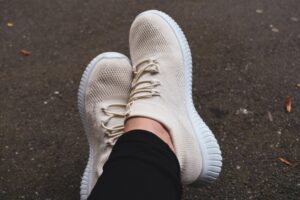
1. Choose supportive shoes
Shoes are not just an outfit detail. They are equipment. Choosing supportive shoes can make a big difference during long standing or walking days.
Mayo Clinic notes that shoes that are too tight, too small, or lacking support can cause pain and other issues. For long standing or walking days, look for shoes that feel supportive, fit well, and do not squeeze your toes.
Your feet should not feel like they are trapped in a tiny elevator.
2. Keep socks dry and comfortable
Moisture plus friction can make feet more irritated. Hydration also matters on busy days, so this NatalieRx hydration guide may be helpful too. If your feet sweat a lot during long days, moisture-wicking socks or changing into dry socks can help reduce rubbing and discomfort.
For blister prevention, Mayo-linked first-aid guidance notes that well-fitting shoes and moisture-wicking socks can help reduce friction blisters.
3. Take short breaks when possible
Even small breaks can help. If your day allows it, sit briefly, shift positions, or change your standing posture. If you stand at work, anti-fatigue mats may help reduce fatigue from standing on hard surfaces.
Your feet were not designed to be statues.
4. Check your feet after a long day
At the end of the day, take a moment to check for sore spots, redness, blisters, or areas where shoes may be rubbing. Wash and dry your feet well, especially between the toes.
This is a small habit, but it can help you catch irritation early before it becomes more uncomfortable.
5. Let your feet recover
When resting, consider elevating your feet for comfort. Gentle stretching may also feel good after a long standing or walking day.
If you also notice cramps after activity, read this NatalieRx post on muscle cramps after activity.
If pain is severe, keeps returning, or comes with swelling, numbness, wounds, or skin changes, get checked by a health professional. This is especially important for people with diabetes or circulation concerns.
Bottom line
Your feet carry you all day. A little care can go a long way: supportive shoes, dry socks, short breaks, foot checks, and recovery time.
Your feet are the real MVPs. Treat them like they are on the payroll.
Disclaimer: This post is for general education only and is not medical advice. For severe, persistent, or unusual symptoms, check with a qualified health professional.