Muscle Cramp After Activity? Your Muscle May Be Asking for a Reset

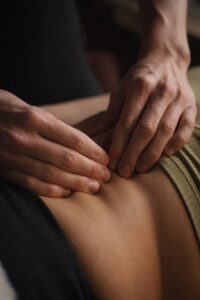
You finish a walk, workout, cleaning session, or long day of errands… and suddenly your leg muscle decides to act like it needs its own customer service department.
Muscle cramps can feel sudden and uncomfortable, but they are also common. They may happen when a muscle has been overused, strained, or pushed harder than usual. Not getting enough fluids, especially around heat or activity, can also make cramps more likely.
The good news? Many everyday cramps can be approached with simple prevention habits.
1. Warm up before jumping in
Your muscles usually appreciate a little warning before activity. A gentle warm-up helps your body ease into movement instead of going from zero to “let’s climb a mountain” in three seconds.
This could be a slower walk before your faster walk, light stretching, or gentle movement before more active exercise.
2. Stretch gently
Stretching can help reduce the chance of cramps, especially if tight muscles are part of the problem. MedlinePlus lists stretching before exercise as one way to help prevent muscle cramps.
Keep it gentle. This is not a wrestling match with your calf muscle. Stretch slowly and avoid forcing the movement.
3. Hydrate before and after activity
Fluids matter, especially if you are active, sweating, or spending time in warm weather. MedlinePlus notes that drinking plenty of liquids can help, and that sports drinks may help replace electrolytes during intense exercise or exercise in heat.
For everyday light activity, water is often a simple place to start.
For more simple hydration tips, read this NatalieRx post on hydration for busy adults.
4. Build activity gradually
One common mistake is doing too much too soon. Your body may need time to adjust, especially if you are starting a new walking routine, returning to exercise, or suddenly having a more active day.
Think “slow upgrade,” not “surprise bootcamp.”
5. Know when to get checked
Many muscle cramps go away on their own, but Mayo Clinic recommends seeing a health care provider when cramps cause severe discomfort, happen often, come with swelling/redness/skin changes, come with muscle weakness, or do not improve with self-care.
Bottom line
A muscle cramp after activity may be your body’s way of saying: stretch me, hydrate me, and please stop pretending we trained for this. Start with simple habits and pay attention to patterns.
For more simple wellness tips, visit the NatalieRx blog.
Disclaimer: This post is for general education only and is not medical advice. For symptoms that are severe, frequent, unusual, or not improving, check with a qualified health professional.