The Quiet Risk of Taking Two Similar Products

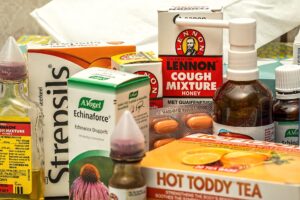 You reach for one product for pain, another for cold symptoms, and perhaps something else to help you sleep. The boxes look different. The names are different. The reasons for taking them seem different.
So they must be completely different products, right?
Not always.
Sometimes two products contain the same active ingredient. Sometimes they contain different ingredients from the same medication family. Sometimes they produce similar effects, such as drowsiness, even though they are marketed for different problems.
That overlap can be easy to miss. The medicine cabinet is apparently very good at disguises.
This does not mean two medicines can never be used together. Some combinations may be appropriate when recommended by a pharmacist, doctor, or other qualified healthcare professional. The important point is not to assume that different packaging automatically means there is no overlap.
Same Ingredient, Different Front Label
The active ingredient is the part of the product responsible for its intended effect. A pain product, cold-and-flu product, headache product, and nighttime product may be sold for different symptoms while sharing an ingredient.
Acetaminophen is a familiar example. It may appear by itself or as one ingredient in a multi-symptom product. Health Canada advises people to avoid taking more than one acetaminophen-containing product at the same time and to count acetaminophen from all products toward the daily total.
This is why the front of the box cannot tell the whole story. Marketing tells you what the product is sold to treat. The medicinal-ingredient section tells you what is actually inside.
For a simple refresher, read Active Ingredient Check: A Simple Habit Before Taking More Than One Medicine.
Different Ingredients, Same Medication Family
Two products do not need to contain the exact same ingredient to overlap.
For example, ibuprofen and naproxen are different ingredients, but both belong to a medication family called nonsteroidal anti-inflammatory drugs, commonly shortened to NSAIDs.
Warnings on these products explain that taking another NSAID can increase the chance of unwanted effects, including serious stomach bleeding. Taking two similar pain relievers does not necessarily provide twice the benefit—but it may increase the risk.
That gives us an important medication-safety lesson:
Different ingredient names do not always mean different types of medicine.
Do not try to identify medication families from memory unless you are certain. Labels may not make the family immediately obvious, and combination products can contain several ingredients. A pharmacist can review the complete ingredient list and tell you whether there is an overlap.
Different Purposes, Similar Effects
Overlap can also happen through similar effects.
A person may take an allergy product and then add a nighttime cold or sleep product. Depending on the ingredients, both products may cause drowsiness.
The products are being taken for different reasons, but their effects may stack.
Similar overlap can sometimes affect alertness, blood pressure, bleeding, constipation, or other body functions. The exact concern depends on the ingredients, doses, timing, medical conditions, age, and other medicines being used.
The lesson is not “never combine anything.”
The lesson is:
Do not combine products by guesswork.
Why This Risk Is So Quiet
This kind of medication overlap often does not look obvious.
There may be no duplicated brand name. The tablets may be different colours. One product may be a liquid while the other is a tablet. One may live in the bathroom cabinet while another is hiding in a purse, travel bag, kitchen drawer, or bedside table.
Even the reason for taking each product may be different.
That is why the problem can remain hidden until someone reads both labels side by side.
A Four-Step Check Before Combining Products
Before taking two over-the-counter or health products close together, pause for four quick checks.
1. List what you have already taken
Include prescription medicines, non-prescription products, vitamins, supplements, herbal products, creams, drops, and medicines you only use occasionally.
A product still counts even if you only take it “as needed.”
2. Compare every medicinal ingredient
Do not compare only the brand or product name. The FDA also reminds consumers that different OTC medicines may contain the same active ingredient.
Multi-symptom products deserve extra attention because one package may contain several ingredients.
3. Read the warnings and directions
Check:
- How much to take
- How often it can be taken
- The maximum daily amount
- Age restrictions
- Drowsiness warnings
- Warnings about other medications
- When the product should not be used
OTC labels can also change, so read the package even when you have bought a similar product before.
4. Ask a pharmacist when anything is unclear
Bring the packages to the pharmacy, take clear photographs of the labels, or keep an updated medication list.
The One-Bag Rule Before a Doctor Visit can also help you collect prescription medicines, OTC products, vitamins, and supplements in one place for review.
A thirty-second label check is much easier than trying to untangle a medication mystery later.
If You Already Took Both Products
Do not automatically take another dose, skip all future doses, induce vomiting, or try to “cancel out” the products with food or another medicine.
Keep both packages nearby and write down:
- The product names
- The ingredients and strengths
- How much was taken
- What time each product was taken
- The age of the person involved
- Any symptoms that are occurring
Contact a pharmacist, healthcare professional, or poison centre promptly for advice based on the exact products and amounts involved.
In Canada, 1-844-POISON-X, or 1-844-764-7669, connects most callers with their local poison centre. Quebec uses 1-800-463-5060, while people in Nunavut should contact their local health centre.
Call 911 immediately if the person is unconscious, is having trouble breathing, or is experiencing a seizure.
The Bottom Line
Two products can look unrelated while sharing an ingredient, belonging to the same medication family, or causing similar effects.
Different boxes do not guarantee different medicine.
Before combining products, read every active ingredient, review the warnings, and check with a pharmacist when you are unsure.
Your medicine cabinet does not need a full-time detective—but occasionally, it benefits from one.
For more simple medication-safety reminders, visit the NatalieRx Blog.
Disclaimer
This article is for general educational purposes only and is not medical advice. Medication risks and recommended actions depend on the exact products, doses, timing, medical conditions, age, pregnancy status, and other medicines being used.
Always follow your own product labels and speak with a pharmacist, physician, poison centre, or another qualified healthcare professional about your individual situation. Call emergency services for severe or life-threatening symptoms.