
Active Ingredient Check: A Simple Habit Before Taking More Than One Medicine

Have you ever looked at two medicine boxes and thought, “These are different, so they must do different things”?
That is an easy assumption to make. One box may say cold and flu. Another may say pain relief. Another may say nighttime relief. They may have different colors, different wording, and different front-label promises. But the most important detail is often not the large words on the front. It is the active ingredient section on the label.
The active ingredient is the part of the medicine that produces the intended effect. It is the ingredient doing the main job, such as helping with pain, fever, allergy symptoms, cough, or stomach discomfort. The brand name can change. The package design can change. The product category can even sound different. But the active ingredient is the part you want to compare before combining products.
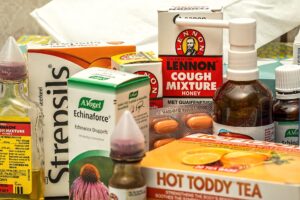 Why the Active Ingredient Matters
The active ingredient check matters because some over-the-counter products contain more than one ingredient. Over-the-counter labels include usage and warning information to help people understand how to choose and use a product properly. That is why the back of the box often gives clearer information than the large words on the front.
These are often called combination products. They may be made for several symptoms at once, such as headache, fever, cough, runny nose, or congestion.
That can be useful, but it also means you need to be careful when adding another product. For example, a person may take one product for pain and another product for cold symptoms without realizing that both products may contain the same type of active ingredient. The front of the box may not make that obvious.
This is where the label becomes your best friend. Not the dramatic friend. The calm, organized friend who actually read the instructions.
A Simple Three-Step Check
Before taking two over-the-counter products close together, try this simple habit.
First, turn the package around and look for the active ingredient section. On many products, this is listed near the top of the drug facts or medicine information label.
Second, compare that active ingredient with the other products you are taking. Do not only compare the brand name. Two products can have different names but still contain the same active ingredient.
Third, check with your pharmacist if anything looks repeated or confusing. This is especially helpful if you take prescription medications, use more than one over-the-counter product, or are choosing a product for a child, older adult, or someone with ongoing health conditions.
Common Situations Where This Happens
This mistake can happen easily during cold and flu season. Someone may take a cold product during the day, then take a pain or fever product later. Another person may take a nighttime product because they want rest, not realizing it may share an ingredient with something they already took.
It can also happen with allergy products, stomach products, pain products, and products marketed for “multi-symptom” relief. The more symptoms a product claims to cover, the more important it is to slow down and read the active ingredient list.
This does not mean every combination is automatically wrong. It means the decision should not be based only on the front of the package. The active ingredient section gives better information.
Watch for Duplicate Ingredients
A duplicate ingredient means the same active ingredient appears in more than one product you are using.
For example, it is important to avoid taking more than one product containing acetaminophen at the same time unless a healthcare professional has told you it is appropriate. Taking too much acetaminophen can cause liver damage, and symptoms may not appear right away. This can lead to taking more of that ingredient than you intended.
Sometimes the duplicate is obvious. Other times, it hides behind brand names, combination products, or different package designs. This is why the active ingredient check is so useful. It takes only a moment, but it can prevent confusion.
A helpful rule is: different package does not always mean different medicine.
Make It a Family Habit
This habit is also helpful in households where more than one person gives medicine to a child or family member. One caregiver may give a dose, and another person may not realize it was already given. Keeping a simple note, checking the label, and confirming what was taken can reduce mix-ups.
You do not need a complicated system. A small paper note, phone reminder, or medicine log can help. Write down the product name, active ingredient if possible, time taken, and dose given. That little record can be very useful when things get busy.
When to Ask for Help
Ask a pharmacist or healthcare provider if you are unsure whether two products can be taken together. This is especially important if you take regular prescription medicines, have liver or kidney concerns, have high blood pressure, are pregnant, are choosing medicine for a child, or are using products for more than one symptom.
You can bring the packages with you or take clear photos of the front and back labels. That makes it easier for the pharmacist to check the ingredients and directions.
You can bring the packages with you or take clear photos of the front and back labels. That makes it easier for the pharmacist to check the ingredients and directions. You can also explore more simple medication safety reminders on NatalieRx.
The Bottom Line
The active ingredient check is a small habit that can make medicine use clearer and safer. Before combining over-the-counter products, look beyond the front of the box. Turn it around, find the active ingredient, compare it with anything else you are taking, and ask your pharmacist when unsure.
Simple health habits do not have to be complicated. Sometimes the safest move is just reading the small section that matters most.
For more plain-language medication and wellness tips, visit NatalieRx.com.
General education only. Always speak with your pharmacist or healthcare provider about your own medications or health concerns.