Left Medicine in a Hot Car? What Should You Do Next?

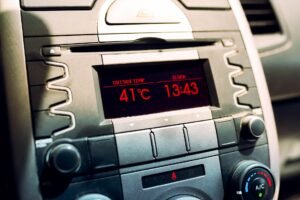 You return to your car, see the pharmacy bag on the seat and immediately remember:
“Oh no. My medicine has been sitting in here.”
The car feels approximately three degrees cooler than the surface of the sun, and now you are wondering whether the medication is still okay.
First: don’t panic—and don’t guess.
Heat exposure matters, but whether a specific medicine can still be used depends on the product, its labelled storage requirements, how hot it became and how long it was exposed.
Why Can Heat Be a Problem?
Medicines are tested and labelled with particular storage conditions.
Health Canada explains that temperature is an important part of maintaining drug quality and that medicines should be stored and transported according to their labelled conditions. Short temperature excursions may sometimes be acceptable when stability data show the product has not been adversely affected.
In other words, “It was hot” does not give us enough information by itself.
Some medicines tolerate temporary temperature changes better than others. Some have much stricter storage requirements.
MedlinePlus also advises against keeping medicines in a vehicle’s glove compartment because they may become too hot, cold or damp.
Read MedlinePlus guidance on storing medicines
What Should You Do?
1. Check the medication label
Look for instructions such as:
- Store at room temperature
- Refrigerate
- Protect from heat
- Protect from light
- Do not freeze
Don’t assume every medication has the same limits.
Keeping medicines in their labelled packaging helps because those instructions remain available. For more on that, see NatalieRx’s guide:
Why You Should Keep Your Original Medication Container
2. Think about what happened
If possible, note approximately:
How long was the medicine in the car?
Was the car parked in direct sun?
Was the medicine inside a bag, cooler or other container?
Those details may be useful when you speak with the pharmacy.
3. Look—but don’t rely only on appearance
Heat-damaged medicine may sometimes show changes in colour, smell, texture or consistency. MedlinePlus advises against using medicines that have noticeably changed colour, texture or smell.
But here’s the important part:
A medication can look perfectly normal and still require assessment after improper storage.
So “looks fine to me” isn’t a temperature-stability test. Your eyeballs have many talents. Pharmaceutical stability testing is not one of them.
4. Ask your pharmacist
If the medicine has been outside its recommended storage conditions and you are uncertain, contact the pharmacy before using it.
Give them the medication name and, if known, approximately how long and under what conditions it was exposed.
Depending on the product, the pharmacy may need to check manufacturer storage information or other stability data before advising you.
Health Canada emphasizes following the storage conditions on a drug’s label because storage outside those conditions can potentially affect drug quality.
Health Canada: Temperature Control of Drug Products
Prevent the Hot-Car Encore
When collecting a prescription, try to bring it indoors promptly rather than leaving it in the vehicle while completing several more errands.
And if you’re unsure whether a new medicine has special storage requirements, ask before leaving the pharmacy.
NatalieRx has a quick checklist here:
Check Before You Leave the Pharmacy
You can also read the original NatalieRx prevention guide:
Don’t Leave Meds in the Car: A Simple Medication Safety Reminder
The Bottom Line
If medicine was left in a hot car, don’t automatically use it, and don’t automatically discard it.
Check the label, consider the exposure and ask your pharmacist when you’re unsure.
Cars are excellent for getting you from Point A to Point B.
Medication storage facility? Not so much. 🚗🌡️
For more practical medication-safety information, visit the NatalieRx Blog.
Disclaimer
This article is for general health education only and is not medical advice. Storage requirements and acceptable temperature exposures differ among medications. For advice about a specific medication that has been exposed to heat, contact your pharmacist, prescriber or other qualified healthcare professional before using or discarding it.