
Eye-Drop Bottle Tip: Don’t Let It Touch Your Eye

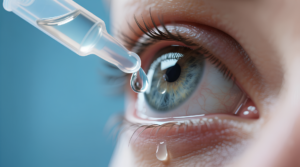 You tilt your head back, aim the bottle and try to land one tiny drop in one tiny target.
Then—boop.
The bottle tip touches your eyelashes. Or your eyelid. Maybe even your eye.
It may seem harmless, but keeping the eye-drop bottle tip from touching your eye or surrounding surfaces is an important part of using eye drops safely.
Your bottle tip needs personal space too.
Why Does Touching the Tip Matter?
Eye-drop products are designed to stay clean during use. When the bottle tip touches your eye, eyelashes, fingers, face, clothing or another surface, microorganisms can potentially be transferred to the tip.
The FDA advises washing your hands before using eye drops and avoiding contact between the bottle tip and your eyes, hands, clothing or other surfaces to reduce contamination risk.
You can review the FDA’s current eye-drop safety recommendations here: What You Should Know About Eye Drops — FDA
This matters because contaminated ophthalmic products can potentially introduce microorganisms into the eye. MedlinePlus instructions for ophthalmic medicines similarly warn that touching the tip to the eye or another surface may allow bacteria to contaminate the drops.
In other words, the bottle is supposed to deliver the medication—not collect souvenirs from your eyelashes.
Where Should the Bottle Tip Go?
Close enough to aim accurately, but not touching.
Try this basic technique:
- Wash and dry your hands.
- Tilt your head back.
- Gently pull down the lower eyelid to form a small pocket.
- Hold the bottle above the eye without touching your eye, eyelashes, eyelid or skin.
- Look upward and place the directed number of drops into the lower-lid pocket.
- Close your eye gently.
- Replace the cap without touching the tip.
Moorfields Eye Hospital specifically recommends keeping the nozzle away from the eye, eyelashes and eyelid and explains that proper positioning helps reduce both contamination and accidental contact with the eye surface.
See their technique here: How to Use Your Eye Drops — Moorfields Eye Hospital
And remember: adding extra drops doesn’t necessarily improve the result. My NatalieRx article One Eye Drop Is Usually Enough: Why More Is Not Better explains why one properly placed drop is usually all that’s needed when the directions specify one.
What If the Tip Accidentally Touches Something?
First, don’t panic.
But don’t automatically wipe, wash or rinse the tip either. Product instructions can differ.
If the tip touches your eye, fingers or another potentially unclean surface and you’re concerned the bottle may be contaminated, check the product leaflet or contact your pharmacist or eye-care professional for guidance.
This is especially important if you notice eye pain, increasing redness, discharge, significant irritation or changes in vision. The FDA recommends stopping an eye-drop product and seeking medical advice if problems such as pain, discharge, vision changes or discomfort develop.
If you’re choosing an eye product without a prescription, you may also want to read What to Ask Before Starting an OTC Product before adding something new to your medication routine.
Keep Your Aim—Lose the Contact
Using eye drops can already feel like trying to hit a bullseye while your eye has decided blinking is suddenly its full-time job.
The goal isn’t perfection.
It’s simply to remember:
Hover. Don’t touch. Aim for the lower-lid pocket.
Keeping the bottle tip away from your eye, lashes and other surfaces helps keep the dropper cleaner and makes good eye-drop technique just a little safer.
Sometimes good medication technique really does come down to a few millimetres of personal space.
Disclaimer
This article is for general health education only and is not medical advice. Eye-drop products and administration instructions vary. Always follow the package directions and advice from your pharmacist, prescriber or eye-care professional. Seek medical attention for significant eye pain, injury, worsening redness, discharge or changes in vision.