
One Eye Drop Is Usually Enough: Why More Is Not Better

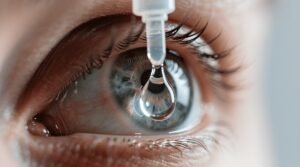 You squeeze in one eye drop.
Then you wonder, “Did that tiny drop really do anything?”
So you add another. Maybe one more for emotional support.
Now the medicine is travelling down your cheek, your eye is blinking furiously, and your face has received more treatment than your eyeball.
When the label or your healthcare professional says to use one drop, one is usually the intended amount. More drops do not automatically mean more benefit.
Your Eye Has Limited Parking Space
Eye drops are placed into the small pocket formed by gently pulling down the lower eyelid. That space cannot hold unlimited liquid.
Moorfields Eye Hospital’s guidance on using eye drops advises using only the number of drops recommended by the clinician—usually one—and explains that excess volume simply runs out of the eye.
A wet cheek is therefore not proof that your eye needed another drop. It may simply mean the eye had no room for the extra liquid. Your eye is a highly specialised organ, not a beverage cup.
More Drops Can Mean More Waste
Adding extra drops may:
- Make medicine overflow onto the eyelid or cheek
- Use up the bottle sooner
- Wash away a drop that was just applied
- Make it harder to know how much stayed in the eye
Follow the exact number of drops on the prescription label, package directions or instructions from your pharmacist, doctor or eye-care professional.
Some products have different directions. “One drop is usually enough” does not mean “ignore a label that says otherwise.”
This is the same reason unclear medication directions should be clarified rather than guessed. Read Medication Timing: Why “Morning” May Be Too Vague for help turning unclear instructions into a safe routine.
A Better Way to Apply One Drop
- Wash and dry your hands.
- Tilt your head back and look upward.
- Pull down the lower eyelid to make a small pocket.
- Hold the bottle above the eye without touching the eye, eyelashes, eyelid or skin.
- Place one drop into the pocket.
- Close the eye gently. Do not squeeze it tightly.
- Lightly press the inner corner of the closed eye if this is part of your product or clinician’s instructions.
- Wipe away excess liquid with a clean tissue.
The Leeds Teaching Hospitals eye-drop instructions also stress using one drop and keeping the dropper tip away from the eyelid and lashes.
That “do not touch” rule matters. Eye products must remain sterile, and the FDA’s eye-drop safety guidance advises washing your hands and preventing the bottle tip from touching the eye, hands, clothing or other surfaces.
Using More Than One Eye-Drop Medicine?
If you use two different eye-drop products in the same eye, do not race them to the finish line.
Moorfields recommends waiting at least five minutes before applying another drop. Using the second product immediately may wash out the first.
If you also use an eye ointment, the usual sequence is drops first, then the ointment after the recommended gap—but follow your specific instructions.
What If You Are Not Sure the Drop Went In?
Do not keep squeezing repeatedly “just in case.”
If you clearly saw the drop miss the eye, check the product instructions or ask your pharmacist whether to try again. If this happens often, a pharmacist or eye-care professional may suggest a different technique or a drop-administration aid.
Before choosing a non-prescription eye product, review What to Ask Before Starting an OTC Product. Eye redness, pain, discharge, injury or vision changes should not become a guessing game.
The Takeaway
When the direction says one drop, aim for one well-placed drop—not a miniature eye shower.
Use the correct technique, avoid touching the bottle tip, leave time between different products and ask for help when the directions are unclear.
More is not always better. Sometimes more is simply on your cheek.
Disclaimer
This article is for general health education only and is not medical advice. Eye-drop directions vary by product and condition. Follow the label and instructions from your pharmacist, prescriber or eye-care professional. Seek prompt medical advice for eye pain, injury, discharge, worsening redness, significant discomfort or changes in vision.