Why “Natural” Products Can Still Interact With Medicines

 The word “natural” can sound reassuring. A product may come from plants, minerals, or microorganisms, so it is easy to assume it will quietly mind its own business.
Unfortunately, your body does not sort products into two neat boxes labelled “medicine” and “harmless.”
Natural health products can contain active ingredients. Those ingredients may affect how your body absorbs, processes, or responds to prescription medicines, over-the-counter medicines, and other supplements. That is why natural product interactions deserve the same attention as any other medication concern.
What counts as a natural health product?
Health Canada’s overview of natural health products includes vitamins and minerals, herbal remedies, probiotics, traditional medicines, homeopathic products, amino acids, essential fatty acids, and related products.
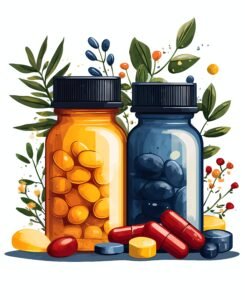
They may come as tablets, capsules, powders, drops, tinctures, creams, teas, or gummies. The packaging may look gentle and the label may feature enough leaves to start a small forest, but the ingredients can still have real effects in the body.
How natural product interactions can happen
An interaction does not always mean two products “fight” each other. It may happen in several ways.
A natural product may increase the effect of a medicine, which can raise the chance of side effects. It may reduce the medicine’s effect, making treatment less reliable. It may add a similar effect, such as increased drowsiness or bleeding risk. It may also affect how quickly the body absorbs or breaks down a medicine.
The result depends on the product, dose, health condition, and medicines involved. That is why a product that was fine for a friend may not be the right choice for you.
A few examples
Some herbal products have well-documented or suspected interactions.
St. John’s wort can affect how the body processes many medicines and may reduce the effectiveness of certain prescription products, including some birth control medicines.
Ginkgo may increase bleeding risk when combined with certain blood-thinning medicines.
Other supplements may affect blood pressure, blood sugar, sedation, or the absorption of medicines. Even vitamins and minerals can matter. For example, some minerals can bind to certain medicines in the digestive tract and reduce how much medicine is absorbed.
NCCIH’s herb-drug interaction guidance lists additional examples. This is not a complete interaction list; it is a reminder that the word “natural” is not an interaction exemption card.
Does an NPN mean there are no risks?
Licensed natural health products sold in Canada should display an eight-digit Natural Product Number, or NPN. This shows that Health Canada has authorized the product for sale and assessed it under its recommended conditions of use.
An NPN is useful, but it does not mean the product is suitable for every person, every medical condition, or every combination of medicines. Read the full label, including warnings, directions, contraindications, and possible interactions.
You can also search Health Canada’s Licensed Natural Health Products Database for product ingredients and risk information.
What should you tell your pharmacist?
Tell your pharmacist about everything you take for your health, not only prescription medicines.
Include vitamins, minerals, herbal capsules, powders, drops, tinctures, medicinal teas, probiotics, traditional or homeopathic products, over-the-counter medicines, occasional and recently stopped products.
Bring the original containers, clear photos of the labels, or an updated list. The NatalieRx one-bag rule before a doctor visit can help you gather prescriptions, over-the-counter products, vitamins, and supplements.
The exact medication name still matters. Include each product’s name, ingredients, strength, dose, and how often you use it. “I take something natural for sleep” is a start, but the exact label gives your pharmacist much more useful information.
Ask before adding something new
Check with a pharmacist, doctor, or other qualified healthcare professional before starting a natural health product, especially if you take several medicines, have a serious health condition, are pregnant or breastfeeding, are preparing for surgery, or are choosing a product for a child or older adult.
Do not stop a prescribed medicine because you are worried about an interaction. A pharmacist or prescriber can review the combination and explain the safest next step for your situation.
The simple takeaway
Natural products are not automatically unsafe, and this is not a reason to fear every vitamin or herbal tea.
It is a reason to include them in the medication conversation.
Read the label. Look for the NPN when applicable. Keep an updated list. Ask before adding a new product. Your pharmacist cannot check an interaction with a product hiding in the “but it’s natural” section of your kitchen cupboard.
Disclaimer
This article is for general health education only and is not a substitute for medical advice, diagnosis, or treatment. Natural health products and medication needs vary from person to person. Speak with your pharmacist, doctor, or another healthcare professional before starting, stopping, or changing medicines or supplements.